
What you'll learn
- Typically fits: Short-stay digital nomads who want train gates, buses, and convenience-store payments to feel normal from day one - especially during the fi
- Core limits: The standard visitor card is valid for 28 days from purchase, has no ordinary refund for remaining balance, and requires yen cash for top-up
- Proof that usually matters: Check your arrival airport/station, sales location, card validity, top-up rules, and last-week spend-down plan against JR East's current pag
- Usually the wrong lane if: You are staying for months and expect one card to solve commuter passes, refunds, Apple Pay setup, banking, online payments, and every rural
Key points
Two actions this week: ① Pick your situation row ② Complete the next step before you open another guide. Parallel research without action burns calendar time.
\ Pair Suica with a reliable spend rail /
※JR East product rules change—confirm on official JR pages.
Best choice by situation — 3 branches only
On mobile, swipe the table horizontally.
| Your situation | Conclusion | Next step |
|---|---|---|
| First Japan arrival | Welcome Suica | Narita/Haneda pickup |
| Apple Pay user | Wise + mobile wallet | Tap to ride guide |
| 28-day limit hit | Reload strategy | Plan before expiry |
Pick the row that matches you—then act this week.
Stop parallel-comparing ten options. Pick your row, then complete the next step this week.
10-second gate: Can you execute the next step with your current visa, budget, and connectivity plan? If not, fix that first.
If you work on the move in Japan, friction often shows up first at ticket gates and convenience-store registers - not in your Notion workspace. Welcome Suica is JR East's visitor-oriented IC card: you tap through many train gates and pay at everyday merchants without fumbling for coins on every ride.
Honest framing: Welcome Suica is built for short visitor cycles - 28 days from purchase for the standard card, per JR East. Digital nomads often still love it for weeks one and two, then need a longer-horizon money and transit plan. This guide explains what it is, what it is not, how to top up in yen, and how it pairs with Wise in Japan and your arrival checklist.
Disclaimer: products, fees, and sales locations change - always verify on JR East's official Welcome Suica pages before you travel. This article is not legal or financial advice.
What Welcome Suica Is
Welcome Suica is a prepaid IC card for foreign visitors. It works like other Suica-family cards across the nationwide IC network: trains, buses, and many shops. You tap in and out; the fare or purchase deducts from stored value.
Compared with a classic resident Suica, Welcome Suica emphasizes easy onboarding for travelers. There is no ¥500 deposit in the same way as the long-running resident product, but check JR East for current pricing tiers and distribution rules. The tradeoff is stricter validity rules and no ordinary refund of leftover balance when you leave, so plan your burn rate consciously.
The Two Welcome Suica Products You Should Know
Standard Welcome Suica is sold at airports and major stations via machines and travel centers, per JR East:
- Validity: 28 days including the purchase date. The card becomes invalid on day 29. JR East states the period starts at purchase, not when you first feel ready to use it.
- Use case: most independent nomads who want a physical IC card fast.
Welcome Suica (long-term use) is a special distribution product. See JR East's long-term Welcome Suica page for current details:
- Validity: 180 days from issue, per JR East.
- Important constraints: sold through bulk purchase channels, not the typical solo airport impulse buy. JR East explicitly notes it cannot be added to Apple Pay and cannot carry a commuter pass. If you are a solo traveler, assume the 28-day card is the relevant default unless your organizer hands you something else.
Purchase Basics: Where, How Much, and the "One Card" Rule
Where to buy: JR East lists Welcome Suica vending machines and JR EAST Travel Service Centers at major hubs like Narita, Haneda (Monorail side), Tokyo, Shinjuku, Shibuya, and others - plus selected outlets such as JAPAN RAIL CAFE TOKYO and TAKANAWA GATEWAY Travel Service Center. Verify current locations before you fly.
Denominations: adult pricing tiers on the official site run from ¥1,000 through ¥10,000 packages. You are buying stored value in a visitor product format, not unlimited transit.
One card per person, in principle: JR East states only one Welcome Suica per individual. If you are traveling with a partner, plan separate purchases.
Keep the reference paper: JR East prints validity and pass registration details on a reference slip, not on the card face. Treat it like a receipt you may need to show staff.
Top-Up Rules That Surprise People
During the validity window, you can top up repeatedly up to ¥20,000 on the card, per JR East. Common top-up points include machines with the Welcome Suica mark, fare adjustment machines, and Seven Bank ATMs inside convenience stores.
The big gotcha: top-up is yen cash only. You cannot use a credit card at the charge step for Welcome Suica itself, per JR East. That matters for nomads who live on debit cards and assume they can tap Visa everywhere. You often need physical yen or an ATM withdrawal first.
Pairing with Wise: many nomads use Wise to withdraw yen at ATMs (fees and limits apply) or to pay merchants that take cards, then convert some bills into IC balance at a machine. That two-step flow is normal here.
Refunds: Read This Before You Leave ¥3,000 on the Card
JR East is clear: there are no ordinary refunds of remaining balance on Welcome Suica when your trip ends, regardless of how much money is left on the card. They invite you to keep the card as a memento.
Malfunctions are a separate track. If the card is faulty while still valid, JR East describes a malfunction refund process using the 17-digit card number on the back. Read their official text if you ever need it. Do not assume you can fix it at the airport in five minutes without checking hours and required documents.
Nomad-smart behavior: model your last week so you spend down intentionally on transit and konbini staples rather than donating a chunk of yen to your souvenir drawer.
Why Welcome Suica Still Fits Many Nomad Weeks
- You move often: IC is faster than buying paper tickets for every segment inside compatible regions.
- Cafes and neighborhood routes: small purchases add up. Tapping beats counting ¥10 coins in a line behind commuters.
- Connectivity elsewhere: pair this card with eSIM vs pocket Wi-Fi in Japan and best unlimited Wi-Fi for remote work in Japan so offline panic is not compounded by payment panic.
When Welcome Suica Is Not Enough
If your Japan chapter runs months, a 28-day visitor card is a starter layer, not the whole system. Longer-stay nomads often eventually layer in local banking, different IC strategies, or employer rules that this article does not pretend to cover exhaustively.
Visa context only: if you are evaluating a long legal stay, read Digital Nomad Visa Japan separately. IC cards do not solve immigration requirements.
Money context: for monthly budget reality, see cost of living for digital nomads in Japan and map transit spend as a line item.
Tokyo and Beyond: Pairing Transit With Housing Choices
Where you sleep changes your daily train pattern more than which IC plastic you hold. If you are optimizing Tokyo neighborhoods, read where to live in Tokyo (digital nomad lens) after you lock in payment basics.
Mistakes That Burn Time
- Credit card at the machine: Welcome Suica top-up is yen cash only, per JR East.
- Ignoring the 28-day clock: day 29 can arrive in the middle of a sprint, not conveniently at checkout.
- Losing the reference paper: it can make validity questions harder to explain to staff in a hurry.
- Treating IC as a substitute for cash everywhere: some rural days still want bills.
Your planning week: execution order
Remote workers lose the most time in the gap between "I researched Japan" and "I booked one base." Treat this page as a decision tool—not a bookmark graveyard. The goal is one completed action per week until arrival.
Monday — confirm your row
Pick the situation table row that matches your visa, budget, and trip length. If two rows feel equally true, choose the more conservative one: shorter stay, higher insurance proof, clearer connectivity. Write your row in one sentence at the top of your notes app.
Tuesday — kill parallel tabs
Shortlist two options maximum for whatever this article covers (stay, eSIM, policy, or money rail). Open official pricing or checkout pages—not ten comparison blogs. Parallel research without a decision date burns calendar time and peak-season inventory.
Wednesday — run the checklist
Work through the Japan Setup Checklist 2026 in order. Steps 1–3 (SIM, insurance, money) protect week one. Do not skip them because hotel photos are more fun to browse.
Thursday — validate connectivity
If client calls matter, confirm backup internet before you rely on hotel Wi-Fi alone. Read eSIM vs pocket WiFi and install or order before departure when possible.
Friday — book or buy one thing
Complete one non-refundable-safe action: hold a flexible stay, buy an eSIM test plan, or purchase insurance that matches your certificate needs. Momentum beats perfection.
Iron rule before you close this tab
Reading ten more guides without booking, insuring, or connecting is how remote workers lose peak inventory and client trust in the same month. Pick your row, run the checklist, and act this week.
Hub: Digital nomad in Japan — complete guide · Fit: Is Japan good for digital nomads? · Visa: Digital nomad visa Japan
Express lane | Next step
Shortest path before you land
SIM: Airalo Japan review · Insurance: SafetyWing guide · Money: Wise card for Japan
Then run the Japan Setup Checklist 2026 (10 steps).
Complete SIM and insurance before you optimize hotel amenities—arrival week is too late for preventable setup debt.
Works well
- Clear next step after one table row
- Links to deeper Japan DN guides
- Action-first structure for remote workers
Common failures
- Endless research without booking or setup
- Ignoring visa or insurance wording
- No backup internet before client calls
Connectivity note
Your internet plan is part of accommodation quality—not a separate decision. Use primary Wi-Fi, secondary eSIM/SIM, and one emergency workspace option.
On arrival day, tether once from your phone to confirm backup works before you need it for a client call.
Compare: eSIM vs pocket WiFi · best unlimited WiFi
Pre-arrival checklist
Sales point
Your arrival airport/station has a current Welcome Suica machine, travel service center, or listed outlet.
Validity
Your expected use fits the 28-day standard-card window, or you have a follow-up plan for longer stays.
Cash top-up
You can get yen cash before your first heavy transit day and know where to charge the card.
Balance cap
You understand the card can be topped up repeatedly during validity up to the stated stored-value limit.
Reference paper
You keep the paper showing validity/pass details with your passport or travel documents.
Final week
You plan to spend down the remaining balance on transit and everyday purchases instead of leaving unused yen.
\ Load IC before your first rush-hour train /
※JR East product rules change—confirm on official JR pages.
Why this works
One clear decision path beats ten parallel tabs. Act this week on the row that matches you—that is the operating rule.
Memo
Visa: digital nomad visa Japan · Setup: Digital Nomad Setup Japan · Hub: Complete Japan guide
Related articles
-

-
Wise Card for Digital Nomads in Japan (2026) — Pay in Yen, FX Basics & Limits
\ Price your next yen transfer on Wise / Open Wise account ※Fees and eligibility vary by country—con ...
続きを見る
-
-
Digital Nomad Setup Japan: The Complete Checklist (eSIM, Wi-Fi, Banking, Insurance, and Stay)
\ Run the checklist—then book your base / Read complete Japan guide ※Official visa and insurance rul ...
続きを見る

-
-
Digital Nomad in Japan: The Complete Guide for Foreign Visitors (Stay, Budget, Wi-Fi, and Booking Smart)
\ Compare work-ready stays in Japan / Search stays on Agoda ※Rates, availability, and cancellation r ...
続きを見る


https://wanderwork.jp/nomad-finance/wise-card-digital-nomads-japan/
https://wanderwork.jp/workstyle-tips/wise-apple-pay-japan-train-transit/
https://wanderwork.jp/workation-city-guide/digital-nomad-setup-japan/
FAQ
Is Welcome Suica better than PASMO?
For many Tokyo trips, either IC family works across the mutual use network. Pick what you can buy fast at your arrival hub without overthinking brand loyalty.
Can I use Welcome Suica on buses and at convenience stores?
Often yes where IC payments are accepted. Still carry yen for edge cases, rural routes, and small merchants that prefer cash.
Does Welcome Suica replace a credit card?
No. It replaces coins in many transit and retail moments, not hotels that want card imprints, online subscriptions, or larger card-based purchases.
What if I stay longer than 28 days?
Plan the next payment and transit layer before the card expires. That might mean a different IC strategy, more cash discipline, or local banking if you qualify. Do not wait until the last day.
Should I decide everything before booking?
No—lock the highest-risk items first (stay, connectivity, insurance), then refine with the setup checklist.
Where should I start if Japan is new to me?
Read Is Japan good for digital nomads?, then follow the express lane above.
Article summary
- Pick your situation row first—then act this week
- Layer internet: Wi-Fi + eSIM backup
- Run the Japan setup checklist before non-refundable bookings
Block 90 minutes this week to confirm your row, run the checklist, and complete one high-leverage action.
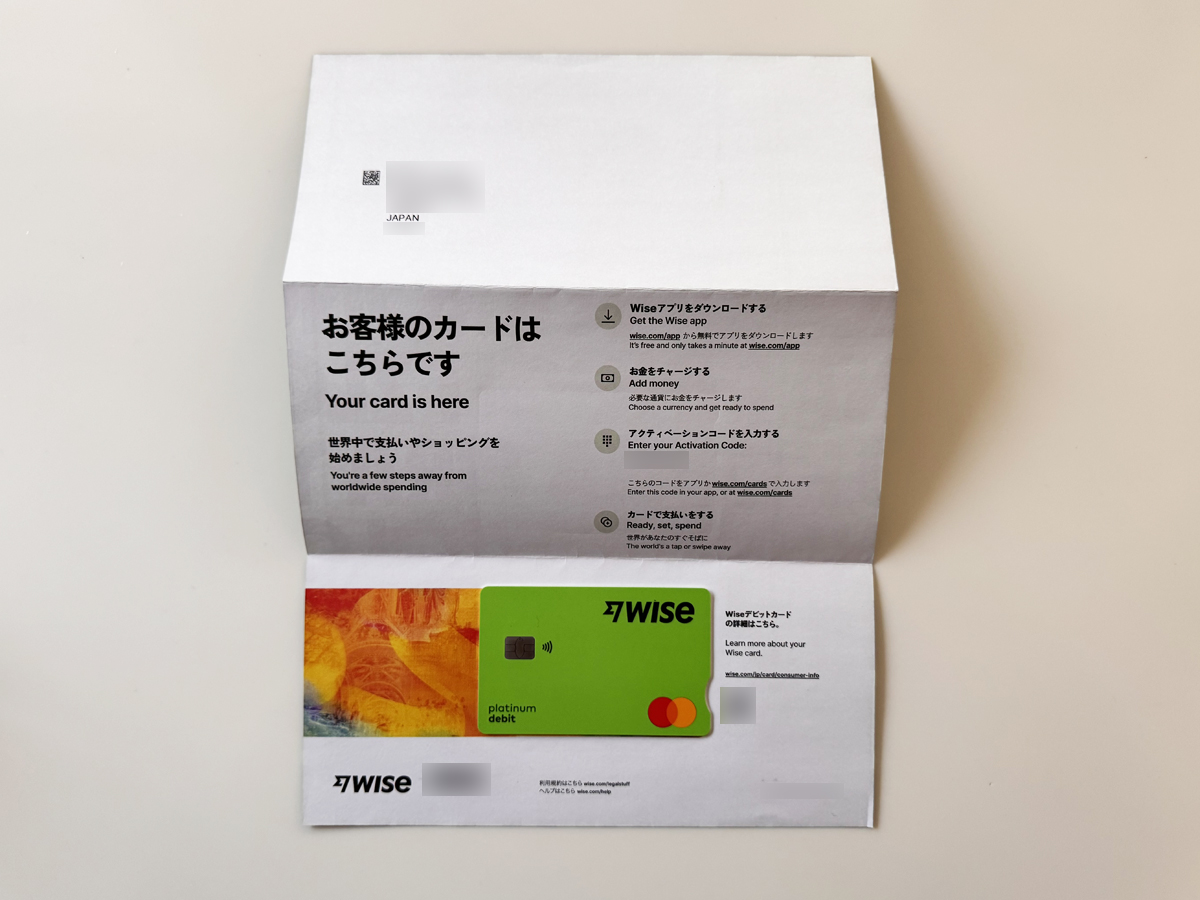
Welcome Suica handles trains—but you still need a card or cash layer for everything else. Read the Wise Japan guide and fund your stack before landing.
\ Transit friction steals deep-work mornings /
※JR East product rules change—confirm on official JR pages.
※This article is general information for foreign visitors planning remote work in Japan. It does not guarantee booking outcomes, visa status, or internet performance. Confirm listing details, cancellation terms, and official requirements before you pay. Affiliate links may earn commission at no extra cost to you.