What you'll learn
- Typically fits: Nomads earning in USD/EUR/GBP who spend a few months in Japan, want transparent FX with multi‑currency balances, and need card‑based payment
- Core limits: Wise is not a Japanese bank account. Some merchants are cash‑only, ATM withdrawal fees and limits apply, and product eligibility differs by
- Proof that usually matters: Compare total cost on a fixed amount (e.g. converting USD → ¥10,000 spendable today) against your home bank and travel credit cards. Headlin
- Usually the wrong lane if: You need a full Japanese business bank account, plan to pay traditional landlord rent by domestic transfer, or convert FX so rarely that ope
Key points
Two actions: ① Run a real USD/EUR→JPY test conversion ② Order the physical card with shipping margin. Arrival week is too late for KYC surprises.
\ Price your next yen transfer on Wise /
※Fees and eligibility vary by country—confirm on Wise before large transfers.
Best choice by situation — 3 branches only
On mobile, swipe the table horizontally.
| Your situation | Conclusion | Next step |
|---|---|---|
| Multi-currency income | Wise core rail | Open + verify now |
| Rare FX conversions | Compare first | Live rates |
| Need Japanese bank account | Wise is not a substitute | Professional advice |
Pick the row that matches you—then act this week.
Stop parallel-comparing ten options. Pick your row, then complete the next step this week.
10-second gate: Can you execute the next step with your current visa, budget, and connectivity plan? If not, fix that first.
If you earn in USD, EUR, or GBP but spend in yen, the quiet leak is usually FX—not “ATM drama,” though that happens too. Wise (formerly TransferWise) is one of the tools nomads reach for when they want to hold balances in multiple currencies, convert with transparent fees, and spend in Japan with a debit card—without needing a full Japanese bank account for every everyday situation.
This guide explains what Wise actually is, how it fits Japan’s payment mix (IC cards, cash, credit cards), where it shines, and where it does not replace local banking or cash. For big‑picture budgets, see cost of living in Japan for digital nomads; for arrival logistics, Digital Nomad Setup Japan.
Disclosure: Wise is a commercial product with fees that change over time—always check Wise’s official live pricing before you move large amounts. This article is general information for nomads, not financial advice; outbound Wise links may be affiliate.
Japan’s Payment Reality
Japan is high‑tech and cash‑stubborn at the same time. The infrastructure is excellent in cities, but the rules for paying are not uniform across neighborhoods, and your wallet has to handle that.
- IC transport cards (Suica, PASMO, regional IC) are everywhere for trains and many small purchases—see Welcome Suica for digital nomads.
- Cards work often in cities, but cash still wins in small shops, some clinics, and rural days where terminals quietly disappear.
- Opening a Japanese bank account as a short‑term visitor is often difficult. Wise is not a perfect substitute, but it can cover a lot of card‑based spending and some cash access via ATM withdrawal—fees and limits apply.
The practical upshot: Wise is a strong layer in your wallet, not the whole wallet. Plan it next to IC and cash, not instead of them.
What Wise Actually Is
At a high level, Wise offers a multi‑currency account managed online, currency conversion between balances with stated fees and a transparent exchange rate, a debit card (where available for your profile) accepted by Visa/Mastercard merchants, and—in some regions—international bank details useful when you receive client payments. The combination is what makes it interesting for nomads, not any single feature.
Wise is not a Japanese bank account. It is a tool that sits beside your home‑country bank and reduces bad FX on day‑to‑day spending. Treat it accordingly, including for tax and bookkeeping conversations later.
Wise Card in Japan: What Usually Works
Retail and restaurants
Many urban merchants accept card—especially chains, department stores, and larger restaurants. Contactless tap is common where cards are accepted, and a Wise card behaves like any other Visa or Mastercard at the terminal. In smaller independent shops, expect more variability.
Transport
IC cards remain the default for commuter rhythm. Wise does not replace Suica for every gate tap, and queueing to pay yen at every fare adjustment makes no sense. Practical stack: IC for transit, Wise for dining/hotels/online, plus cash as backup.
ATMs for yen cash
Convenience store ATMs (Seven Bank, Lawson) and Japan Post Bank ATMs are frequently used by visitors. Compatibility, daily limits, and Wise’s own withdrawal fees vary by card type and country; read Wise’s help pages for Japan and your specific card before you commit to a heavy cash routine.
Online bookings
Hotels, domestic flights, and JR pass purchases sometimes go smoother with a card profile that matches your ID. Keep billing details consistent across Wise and the booking platform, especially if a 3‑D Secure check pops up at checkout.
Wise vs “Travel Credit Cards”
Many credit cards advertise “no foreign transaction fee” but still bake margin into the exchange rate. Wise’s pitch is transparent conversion fees, but you should still compare apples to apples on a fixed amount.
- Total cost to get ¥10,000 spendable from your income currency
- Speed of top‑up and conversion (some bank rails settle in minutes, others overnight)
- Chargeback and purchase protection—credit cards sometimes win here for high‑ticket bookings
Heuristic: Wise is often strong when you move income between currencies frequently or want a yen balance you can spend on demand. Premium credit cards can still win on perks, lounge access, and dispute support. Many nomads use both, and split deliberately by purchase type.
A Practical “Japan Stack” for Digital Nomads
On mobile, swipe the table horizontally.
| Layer | Role |
|---|---|
| Income rail | Where clients pay you (Wise receive details if eligible, or your home bank) |
| Spending rail | Wise debit for card‑accepting merchants; hold a yen balance or convert on demand |
| Transit rail | IC card (Suica or PASMO)—see the Welcome Suica guide |
| Cash pocket | Withdraw yen strategically; avoid empty‑wallet Sundays in quiet towns |
| Connectivity | eSIM or pocket Wi‑Fi so 2FA and Wise notifications work—compare options |
First Week in Japan: A Sensible Payment Order
Day 0–1. IC top‑up for transit and small buys. Do not optimize FX while jet‑lagged; get sleep and data working first (eSIM vs pocket Wi‑Fi).
Day 2–3. Use Wise where cards work cleanly—chains, hotels, online—and watch for declines. If a merchant fails, switch to cash without ego; debate the rail later.
Day 4 onward. Withdraw yen strategically if you see cash‑only patterns in your neighborhood, and track ATM fees as part of true cost. Cheap cash you bled out of fees is not cheap.
Ongoing. Reconcile weekly in yen. Mental accounting beats surprise statements at month end, especially if your income arrives in another currency on a different day.
Mistakes That Cost More Than ATM Fees
- Converting huge sums “just in case.” Idle yen balances tie up opportunity and emotion; convert closer to actual spend dates.
- Using Wise for every micro‑purchase. Sometimes IC or cash is faster and cleaner socially in tiny shops, especially when there is a queue behind you.
- Ignoring card decline UX. Have Plan B cash before dinner with clients—you do not want to find out about a fraud lock at the table.
- Mixing personal and client money. Bookkeeping pain later is expensive, even if separation feels tedious now.
Limitations and Honest Downsides
- Not accepted everywhere. Some merchants are cash‑only; Wise will not fix that.
- ATM costs. Withdrawal fees and limits can bite if you lean on cash heavily.
- Account eligibility. Products differ by residency and verification—check Wise for your country of registration.
- Support model. Disputes and chargebacks are not identical to major credit card networks—read terms carefully before relying on a card for high‑risk purchases.
- Regulatory limits. Wise is not a universal replacement for local tax or business banking. Consult professionals if you invoice Japanese clients or stay long enough to trigger residency questions.
Receiving Client Income
If clients pay you in USD, EUR, or GBP, Wise can sometimes simplify receiving via local bank details in supported regions—eligibility varies wildly by country and account type. Do not assume you can replace a business bank account everywhere.
Practical pattern: receive in your home currency → convert only what you need for near‑term yen spending → keep a buffer in your home currency for tax reserves and emergencies. Your accountant sets the rules for your specific situation, not a blog.
Security: Treat Wise Like a Bank‑Adjacent Power Tool
- Use strong 2FA and store backup codes offline. SIM swap attacks are real and Japan is not magically safer for digital risk.
- Lock or freeze the card in‑app when you are not actively traveling. Habit beats panic when something goes wrong.
- Compartmentalize email risk: password manager, unique password, recovery email kept off your daily inbox.
- Do not screenshot balances in public cafés. Shoulder surfing still happens in Tokyo, and screenshots tend to leak from cloud backups too.
Wise and Japan’s Digital Nomad Visa
The digital nomad visa pathway is about immigration status and insurance—not which card you carry. Wise can help you move money practically; it does not substitute MOFA requirements, ¥10 million income proof, or private health coverage that satisfies the published wording.
Pair the two correctly: confirm visa eligibility on official sources first, then design your money stack so Wise covers card‑based spending and fast FX once you arrive.
Related Costs: Why This Matters
If your monthly Tokyo burn sits in a mid‑range nomad budget, a bad FX habit acts like a small tax on everything—coffee to rent deposits. Optimizing FX is boring work that compounds across a six‑month stay, and Wise is one of the easier wins to lock in early.
Your planning week: execution order
Remote workers lose the most time in the gap between "I researched Japan" and "I booked one base." Treat this page as a decision tool—not a bookmark graveyard. The goal is one completed action per week until arrival.
Monday — confirm your row
Pick the situation table row that matches your visa, budget, and trip length. If two rows feel equally true, choose the more conservative one: shorter stay, higher insurance proof, clearer connectivity. Write your row in one sentence at the top of your notes app.
Tuesday — kill parallel tabs
Shortlist two options maximum for whatever this article covers (stay, eSIM, policy, or money rail). Open official pricing or checkout pages—not ten comparison blogs. Parallel research without a decision date burns calendar time and peak-season inventory.
Wednesday — run the checklist
Work through the Japan Setup Checklist 2026 in order. Steps 1–3 (SIM, insurance, money) protect week one. Do not skip them because hotel photos are more fun to browse.
Thursday — validate connectivity
If client calls matter, confirm backup internet before you rely on hotel Wi-Fi alone. Read eSIM vs pocket WiFi and install or order before departure when possible.
Friday — book or buy one thing
Complete one non-refundable-safe action: hold a flexible stay, buy an eSIM test plan, or purchase insurance that matches your certificate needs. Momentum beats perfection.
Iron rule before you close this tab
Reading ten more guides without booking, insuring, or connecting is how remote workers lose peak inventory and client trust in the same month. Pick your row, run the checklist, and act this week.
Hub: Digital nomad in Japan — complete guide · Fit: Is Japan good for digital nomads? · Visa: Digital nomad visa Japan
Express lane | Next step
Shortest path before you land
SIM: Airalo Japan review · Insurance: SafetyWing guide · Money: Wise card for Japan
Then run the Japan Setup Checklist 2026 (10 steps).
Complete SIM and insurance before you optimize hotel amenities—arrival week is too late for preventable setup debt.
Works well
- Clear next step after one table row
- Links to deeper Japan DN guides
- Action-first structure for remote workers
Common failures
- Endless research without booking or setup
- Ignoring visa or insurance wording
- No backup internet before client calls
Connectivity note
Your internet plan is part of accommodation quality—not a separate decision. Use primary Wi-Fi, secondary eSIM/SIM, and one emergency workspace option.
On arrival day, tether once from your phone to confirm backup works before you need it for a client call.
Compare: eSIM vs pocket WiFi · best unlimited WiFi
Pre-arrival checklist
Account & KYC
Wise account opened and identity verification complete in your country of residence.
Physical card
Card ordered with realistic shipping window (multiple weeks possible) and address that can sign for delivery.
Test conversion
Small USD/EUR/GBP → JPY conversion completed so you have learned the app flow before larger amounts.
2FA & recovery
Strong 2FA enabled, backup codes saved offline, recovery email separate from your daily password.
Japan ATM map
Compatibility checked for Seven Bank / Lawson / Japan Post Bank ATMs, plus current Wise withdrawal fees and limits.
Backup rail
At least one credit card and a small cash reserve so you are never one decline away from a problem.
Bookkeeping split
Personal vs client money separated by account or label; monthly yen reconciliation routine planned.
\ Order your card before peak travel season /
※Fees and eligibility vary by country—confirm on Wise before large transfers.
Why this works
One clear decision path beats ten parallel tabs. Act this week on the row that matches you—that is the operating rule.
Memo
Visa: digital nomad visa Japan · Setup: Digital Nomad Setup Japan · Hub: Complete Japan guide
Related articles
-

-
Welcome Suica for Digital Nomads in Japan (2026) — IC Transit, Top‑Up Rules & Limits
\ Pair Suica with a reliable spend rail / Wise card for Japan ※JR East product rules change—confirm ...
続きを見る

-
-
Digital Nomad Setup Japan: The Complete Checklist (eSIM, Wi-Fi, Banking, Insurance, and Stay)
\ Run the checklist—then book your base / Read complete Japan guide ※Official visa and insurance rul ...
続きを見る

-
-
Nomad Insurance for Japan (2026) — SafetyWing, Travel Medical & Visa Coverage Basics
\ Match certificate wording to your stay type / Get nomad insurance quote ※Policy terms vary—read ex ...
続きを見る

https://wanderwork.jp/workstyle-tips/wise-apple-pay-japan-train-transit/
https://wanderwork.jp/transportation/welcome-suica-digital-nomads-japan/
https://wanderwork.jp/workation-city-guide/digital-nomad-setup-japan/
FAQ
Can Wise replace Suica?
No. Suica is transit infrastructure; Wise is a spend rail. They sit on different layers of the stack, and you should plan to use both.
Does Wise work at Japanese convenience stores?
Often yes for card payments, especially in major chains. Still carry cash and IC as backup—edge cases happen, and convenience stores are exactly where you do not want to debate payment methods at 11 p.m.
Is Wise cheaper than my bank?
Sometimes. Compare total cost on a fixed amount, not headlines. Some home banks have surprisingly good FX once you account for credit card rewards; others quietly take a sizeable spread you only see if you do the math.
Should I still get travel insurance?
Yes. Money tools do not replace medical coverage, and Japan’s care is excellent but expensive without insurance. See nomad insurance for Japan for a structured comparison.
Where does Tokyo housing fit in?
If you are optimizing rent and neighborhood, read where to live in Tokyo. The decision interacts with how you pay and which bills go on which rail.
Can I pay rent in Tokyo with Wise?
Sometimes. Monthly furnished providers and serviced apartments often accept cards, while traditional leases may require Japanese bank transfer patterns Wise cannot match. Ask the landlord or platform before you sign anything.
How long does Wise verification and card shipping take?
It varies by country, ID type, and address checks. Treat several days to multiple weeks as a realistic planning window, and order before your flight if you want to land card‑ready.
Do I need a Japanese phone number for Wise?
Generally no for using the app, but a working data line for 2FA and notifications matters. See the eSIM vs pocket Wi‑Fi guide for stable arrival options.
Article summary
- Pick your situation row first—then act this week
- Layer internet: Wi-Fi + eSIM backup
- Run the Japan setup checklist before non-refundable bookings
Block 90 minutes this week to confirm your row, run the checklist, and complete one high-leverage action.
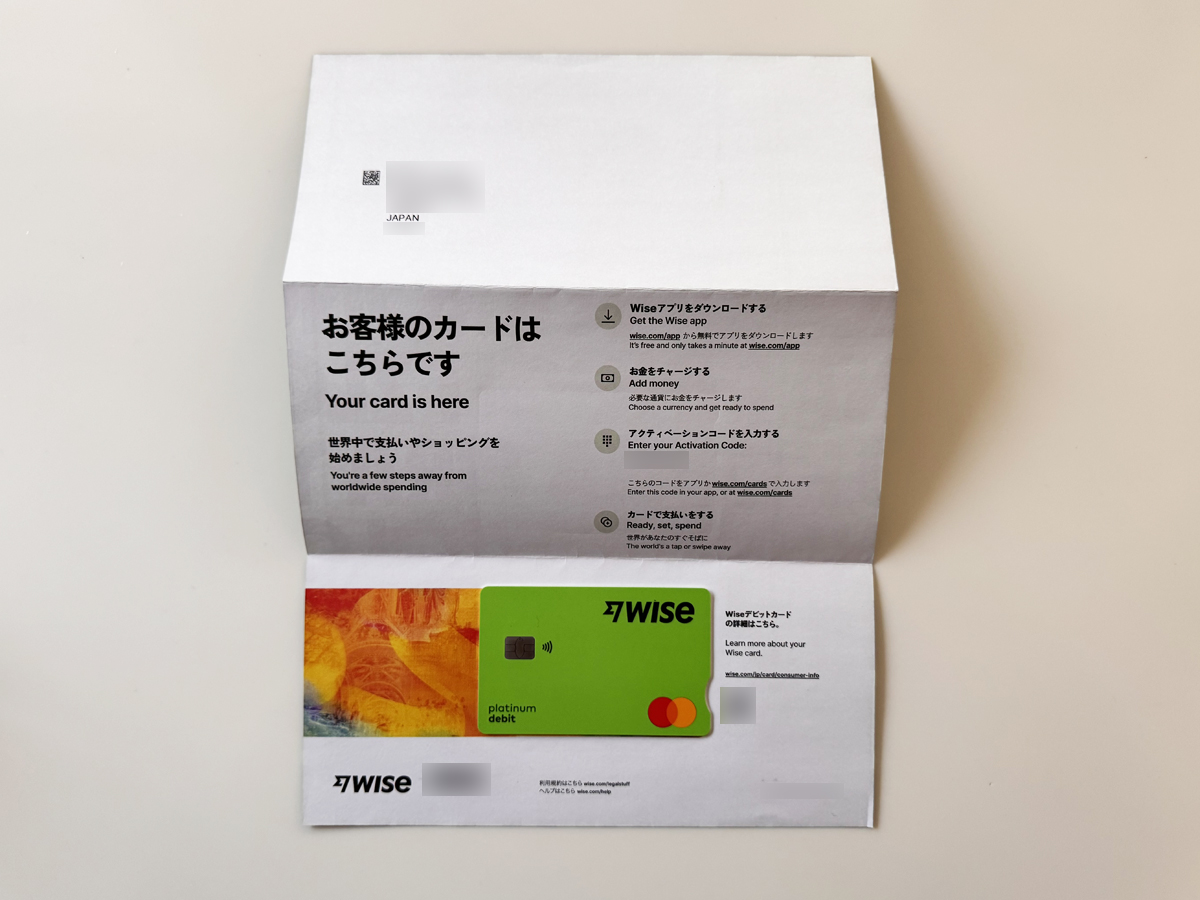
Run the same yen amount through Wise and your home bank. If the gap matters at your spend level, open Wise before you land.
\ Stop guessing FX—check live rates /
※Fees and eligibility vary by country—confirm on Wise before large transfers.
※This article is general information for foreign visitors planning remote work in Japan. It does not guarantee booking outcomes, visa status, or internet performance. Confirm listing details, cancellation terms, and official requirements before you pay. Affiliate links may earn commission at no extra cost to you.